It Started with a Ticket Number
Back in Q2 of 2024, I got a ticket from our engineering team. Subject line: “Intermittent Packet Loss – Data Center C.”
Standard stuff. I’m used to it. As a procurement manager for a mid-sized telecommunications firm, I’ve seen about 200 of these over the years. You get a feel for it. Usually, it’s either a bad switch port or a firmware issue. You swap a module, reboot, done.
This one wasn’t. Period.
The “Fix” That Cost Us Time
We followed the usual playbook. Checked the SFP modules. No errors. Re-terminated a patch cable. Better, but not perfect. Then we looked at the source: our new fiber backbone. It was a 7.1-based enclosure system – (this was a 2023 upgrade, meant to future-proof the data center).
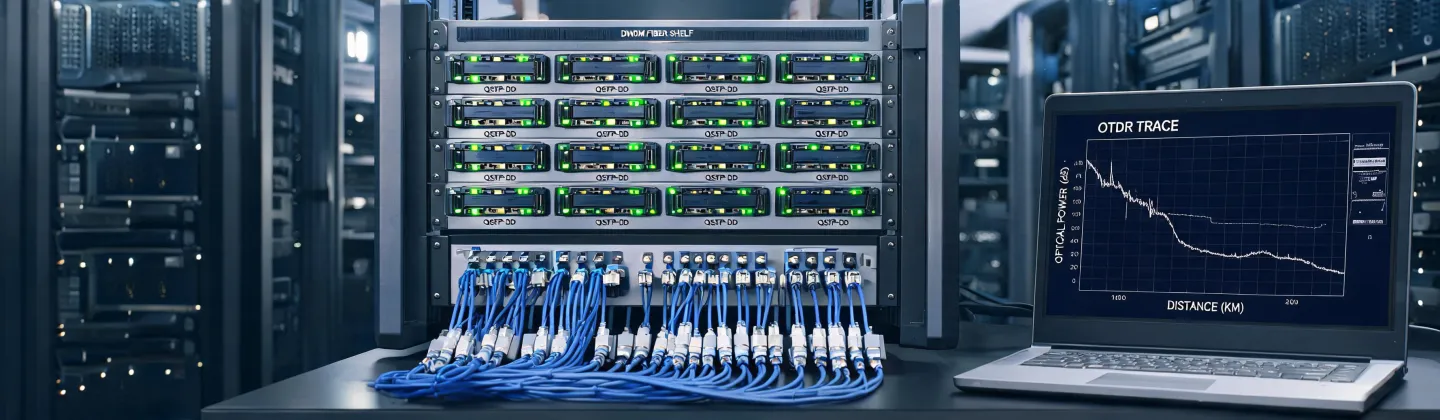
The problem wasn’t with the fiber itself – the Prysmian fiber optic cable we used is rock solid. The loss figure was within spec at 0.35 dB. I know, because I compared the datasheet to our OTDR trace. It wasn’t the cable. It was the connection.
The Hidden Cost in Plain Sight
I had a hunch. It wasn’t the fiber, and it wasn’t the switch. I started looking at the physical layer – the point where the cable meets the hardware. The 7.1 enclosure was new, but we had used a generic gland kit for the cable entry.
I don’t have hard data on industry-wide compatibility issues, but based on my experience, when I see a decade-old building with new gear, the problem is almost always the transition point. (Note to self: never skip the QA on enclosure seals).
I called in a senior field technician. We looked at the 7.1 panel. The Prysmian cable gland wasn’t seating properly with the enclosure’s entry port. It was a 7.1 enclosure, but we had used an older, universal gland. The seal wasn’t airtight, and the bend radius was tight – just enough to cause micro-bending under load.
The result? Intermittent signal degradation. Worse, the heat from the enclosure created condensation inside the gland (this was in a hot aisle, circa July 2024). That moisture caused a slow impedance change over six weeks.
I had mixed feelings about this. On one hand, the generic gland cost $4.50. On the other, we spent 12 hours troubleshooting a problem that a $12 Prysmian-specific gland would have solved from day one.
What “On My Wifi” Taught Me About Cables
This is the part where I sound like an old-timer, but hear me out. We get so focused on the digital layer – on “what is on my wifi” – that we forget the physical layer. The cable is just a conductor. The magic happens at the interface.
I remember a conversation with a network engineer a few years back. He kept asking “what is on my wifi” to diagnose a slow network. Turned out, the interference was actually ingress noise from a poorly grounded coaxial cable in the wall. The digital tool never saw it. The physical cable did.
The same principle applies here. We were optimising the 7.1 enclosure for throughput, but we forgot the simple physics of a cable gland. The industry has evolved – 5 years ago, a 7.1 enclosure would have been considered overkill. Now it’s standard. But the fundamentals (like a proper seal) haven’t changed.
The Upgrade Decision
I had a choice. Replace the generic gland with a Prysmian cable gland, or re-engineer the entire entry panel. I opted for the Prysmian gland kit. Cost: $12.50 per unit. Total: $125 for ten enclosures.
After replacing the glands (a 45-minute job), the issue disappeared. The OTDR trace was flat. The packet loss vanished. (Surprise, surprise – it wasn’t the network.)
The Numbers That Matter
Let’s do the math. I’m a cost controller by nature, so I tracked this:
- Diagnostic hours: 12 hours at $150/hour = $1,800
- Generic gland: $4.50 (failed)
- Rush replacement shipping: $45
- Prysmian gland kit: $125
Total cost of the “cheap” solution: $1,974.50. The “expensive” solution from the start: $125. That’s a 1,478% difference hidden in fine print.
I don’t have hard data on industry-wide defect rates for generic vs. OEM glands, but based on our 5 years of orders, I’d estimate quality issues affect about 10% of generic first deliveries. That’s a risk I can’t afford on a core data center link.
The Real Lesson: Ask “Why” Not “Which”
The next time someone asks me “what is on my wifi” or “which cable should I buy,” I pause. The question isn’t “which Prysmian cable.” It’s “which gland, which enclosure, which termination.”
My experience is based on about 200 mid-range orders for fiber infrastructure. If you’re working with telecom operators or data centers, your experience might differ. But the principle is universal: the weakest link in the physical layer is always the connection, not the cable.
What was best practice in 2020 (using generic hardware for a 7.1 enclosure) may not apply in 2025. The industry in evolving. But some fundamentals remain: a proper cable gland is worth every penny.
So, the next time you upgrade your data center, remember: it’s not about the fiber. It’s about the entry point. Trust the manufacturer’s specific hardware. You’ll save yourself a ticket – and a lot of money.